image_placeholder
Emissions > Regulatory Air and GHG reporting

Air and GHG reporting for an evolving regulatory landscape

HOW WE HELP

Simplify data collection, quantification, and reporting

Adapt to changing requirements

Maintain compliance with changing regulations using flexible calculation methods and adaptable reporting tools.

Integrate data collection

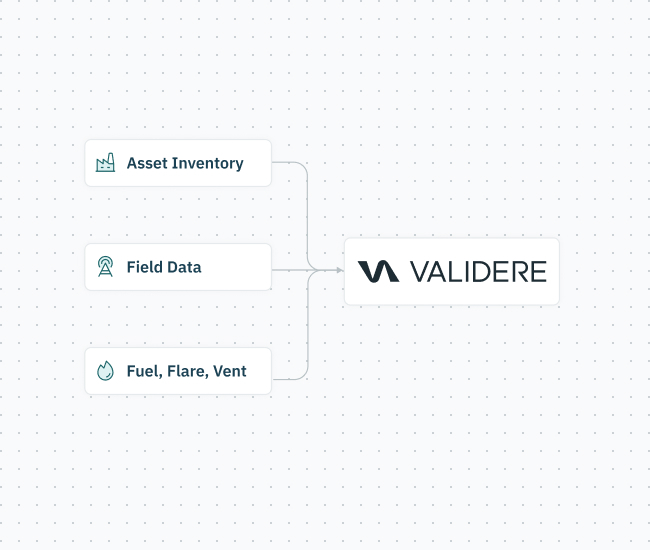
Automate data collection with integrations that centralize operating data, emissions factors, equipment specifications, and more.

Quantify emissions

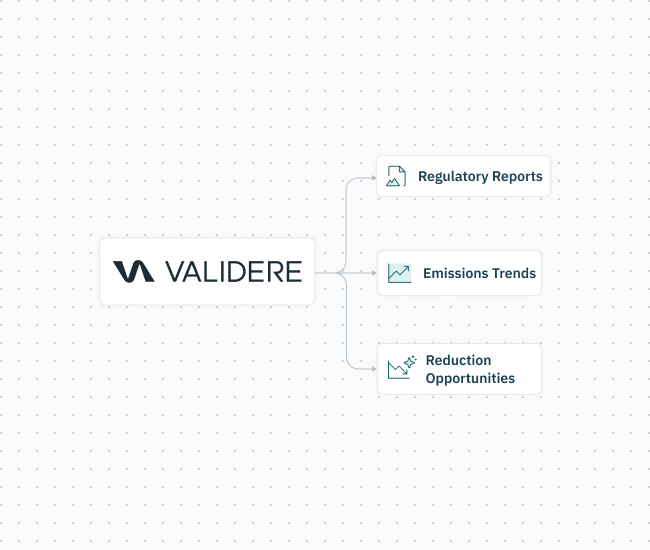
Report emissions per industry standards with full transparency into calculations. Ensure compliance, and minimize risk of penalties.

Simplify reporting

Generate reports for various regulatory frameworks with customizable templates and automated report generation.

Automate QA and compliance

Automate QA, anomaly detection, and compliance evaluation to enable a "manage by exception" model that ensures accuracy and saves time.

Reporting frameworks include:

  • US EPA GHGRP
  • US EPA Air Emissions Reporting Requirements
  • Canadian Federal GHGRP
  • EU Methane Rules
  • Colorado Department of Public Health and Environment Oil and Natural Gas Annual Emission Inventory Reporting
  • New Mexico Environmental Department - Ozone Precursor Rule
  • California Air Resources Board Mandatory Reporting requirements
  • Wyoming Department of Environmental Quality Emissions Inventories
  • Alaska Air Emissions Inventory & Reporting
  • TCEQ Environmental Reporting
  • Alberta TIER
  • British Columbia GHGRP
  • Alberta One Stop
  • Fuel, Flare, Vent Reporting
  • NPRI - National Pollutant Release Inventory
Screen-1 (1)
Case study

Oil and gas producer gains clarity and control over emissions

Frame 1940680067
Challenges

Dispersed data, lack of visibility

2,500+ well sites generating massive amounts of emissions data scattered across several systems.

Difficulty understanding emissions profile and identifying key sources.


Limited ability to proactively manage regulatory compliance.

Frame 1940680069
OUTCOMES

Streamlined reporting, clear insights

Significantly reduced quantification and reporting efforts through data integration and automation.


Clear understanding of emissions profile and trends, enabling informed decision making for emissions reduction projects.


Accurate and timely regulatory reporting.

CTA

Request a demo

Talk to an expert to see how Validere can supercharge your team.

Trusted by industry leaders & innovators

Capture Point logo
BKV logo
InterPipeline logo
Repsol logo
KiwetinoHK Energy logo
Matador Resources logo
Bison Oil & Gas logo
Conoco Phillips logo
Crescent Energy logo
Enhance logo
Infinity Natural Resources logo
HWX logo
Karve Energy logo
Lynx Energy logo
Koda logo
Pembina logo
Prairie Thunder Resources LTD logo
Steel Reef logo
Saturn Oil + Gas Inc logo
Tidewater Midstream logo
QB Energy logo

Frequently Asked Questions

Find answers to common questions about this solution, implementation considerations, integrations, and reporting capabilities.
What is regulatory air and GHG reporting software?
Regulatory air and GHG reporting software helps organizations collect, govern, calculate, and report emissions data required by environmental regulations. Rather than relying on spreadsheets and disconnected systems, modern platforms provide standardized workflows, transparent calculations, and audit-ready records that improve reporting accuracy and reduce manual effort.
Can one platform support both regulatory and voluntary emissions reporting?

Yes! Many organizations use a single governed emissions data foundation to support multiple reporting requirements. While regulatory and voluntary frameworks often have different methodologies and reporting expectations, modern emissions management platforms can help teams manage these workflows from the same trusted operational data while maintaining transparency and traceability.

Explore regulatory and voluntary emissions reporting
What should organizations look for in emissions reporting software?

When evaluating emissions reporting software, organizations should look beyond reporting outputs alone. Important capabilities include configurable reporting workflows, transparent calculation methodologies, strong data governance, audit trails, integration with operational systems, and the flexibility to adapt to evolving regulatory requirements. The right platform should improve confidence in reported data while reducing manual effort across reporting cycles.

Read the Emissions Reporting Software Buyer's Guide
How does emissions reporting software improve audit readiness?
Audit-ready reporting depends on more than accurate calculations. Organizations need clear data lineage, documented methodologies, approval workflows, version history, and supporting evidence that explain how reported values were produced. Modern emissions reporting software helps centralize this information so internal teams, regulators, and auditors can understand and verify reported emissions.
Learn more about audit-ready environmental reporting
Can emissions reporting software integrate with existing operational systems?
Most enterprise emissions reporting platforms are designed to integrate with existing operational, environmental, and business systems rather than replace them. Integrations with historians, ERP platforms, environmental databases, laboratory systems, and other operational technologies help reduce duplicate data entry while improving consistency across reporting workflows.
How can emissions reporting software reduce manual reporting effort?
By automating data collection, calculations, validation, approvals, and reporting workflows, emissions reporting software can significantly reduce repetitive manual work. This allows environmental teams to spend less time compiling data and more time reviewing results, investigating anomalies, and improving operational performance.
How does emissions reporting software adapt to changing regulatory requirements?
Environmental reporting requirements continue to evolve across jurisdictions and reporting programs. Modern software platforms should provide configurable workflows and calculation methodologies that can be updated as regulations change, helping organizations respond without rebuilding reporting processes from scratch.
How long does implementation typically take?
Implementation timelines vary depending on the complexity of an organization's reporting requirements, existing systems, and data quality. Most successful implementations follow a phased approach that prioritizes high-value reporting workflows first before expanding to additional facilities, regulatory programs, or operational processes over time.